
Chinese cuisine is renowned globally for its diversity and flavor, appearing everywhere from Beijing street carts to New York’s fine dining. Its array of dishes reflects China’s cultural and geographical expanse, with each province offering unique creations. This article explores the most iconic Chinese foods, regional differences, foundational elements, global influence, and cultural significance.
What are the most iconic Chinese dishes?
Peking Duck
This celebrated dish from Beijing is known for its crispy skin and succulent meat. The preparation is an art form, involving glazing with honey and roasting.
Typically served with pancakes and hoisin sauce, Peking Duck signifies culinary sophistication and is enjoyed worldwide.
Kung Pao Chicken
A spicy Sichuan stir-fry with chicken, peanuts, and chili peppers. Known for its ‘ma la’ (numbing and spicy) flavor, it combines textures and flavors, making it a beloved global staple.
Dim Sum
Originating from Cantonese culture, Dim Sum features bite-sized dishes enjoyed with tea. It includes dumplings, buns, and rolls, promoting social interaction and communal dining worldwide.
Sweet and Sour Pork
A Cantonese dish known for its bright color and sweet, tangy sauce. It balances flavors and is a favorite in Chinese takeout globally.
Mapo Tofu
A spicy Sichuan dish with tofu and minced meat known for its ‘ma la’ flavors, popular among spice lovers worldwide.
How do regional cuisines differ across China?
Cantonese Cuisine
From Guangdong Province, characterized by subtle flavors and fresh ingredients. Highlights include Dim Sum and steamed seafood, emphasizing simplicity and elegance.
Sichuan Cuisine
Known for bold flavors and ‘ma la’ sensation, using garlic and chili peppers. Famous dishes include Kung Pao Chicken and Mapo Tofu.
Hunan Cuisine
Noted for hot and spicy flavors with fresh vegetables and preserved meats. Known for bold flavors, including Chairman Mao’s Red Braised Pork.
Jiangsu Cuisine
Emphasizes texture and slightly sweet flavors, often with visually artistic presentations. Known for sophisticated techniques like braising and stewing.
Zhejiang Cuisine
Features fresh, smooth flavors with seafood and vegetables. Focuses on natural taste and meticulous preparations.
What are the staples of a traditional Chinese meal?
Rice
A dietary staple symbolizing prosperity and abundance, used in dishes across China.
Noodles
Symbolize longevity and vary widely, paired with broths, sauces, or toppings.
Dumplings
Represent wealth and good luck, served during festivals. They vary in fillings and preparation styles.
Soy Sauce
An essential condiment, adding umami to dishes, and serving in diverse culinary roles.
Tea
Holds cultural significance and is used in both drinking and cooking, often accompanying meals like Dim Sum.
How has Chinese cuisine influenced global food trends?
Fusion Restaurants
Blend Chinese flavors with global cuisines, highlighting Chinese culinary adaptability.
Chinese Ingredients in Western Cooking
Elements like soy sauce and ginger enhance Western recipes, showcasing cross-cultural exchange.
Popularity in Fast Food
Chinese dishes have influenced fast-food menus, appealing with quick, flavorful meals.
Cultural Acceptance and Diversity
Reflects cultural appreciation and diversity, encouraging diners to explore authentic Chinese flavors.
Health Conscious Adaptations
Align with dietary trends focused on wellness, adapting traditional recipes for healthy modern lifestyles.
Incorporating superfoods and plant-based ingredients can enhance both the nutritional value and appeal of these dishes.
What role does food play in Chinese culture and festivals?
Role of Food in Chinese New Year
Symbolic dishes like dumplings and fish represent luck and prosperity, uniting families during celebrations.
These meals are often accompanied by joyous gatherings, reflecting the importance of food in fostering community bonds and traditions.
Mid-Autumn Festival and Mooncakes
Mooncakes symbolize unity and are shared among families under the full moon.
The act of sharing mooncakes strengthens connections among family members and friends, underscoring the festive spirit.
Dragon Boat Festival and Zongzi
Zongzi are central to this festival, symbolizing cultural heritage and family unity.
The traditional preparation and sharing of zongzi highlight the significance of preserving cultural heritage through food.
Cultural Symbolism in Dishes
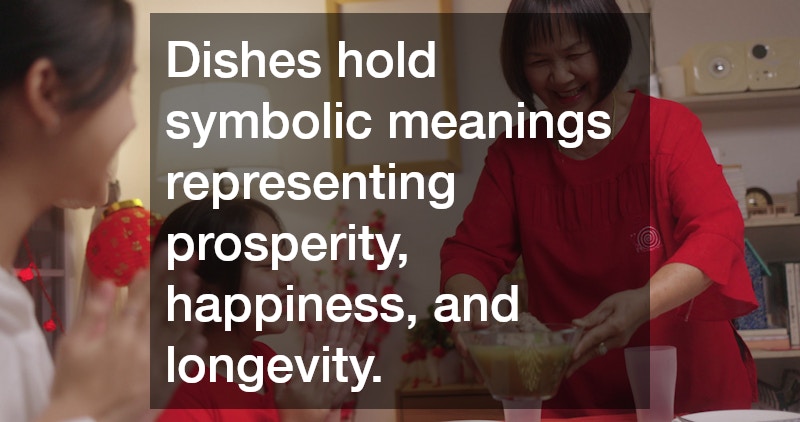
Dishes hold symbolic meanings representing prosperity, happiness, and longevity.
This symbolic aspect of food deeply influences the choices of dishes, ensuring that each meal carries wishes and hopes for the future.
Influence on Family and Social Gatherings
Meals are central to family life and gatherings, epitomizing hospitality and community spirit.
Chinese cuisine embodies cultural history and artistry, offering a diverse and captivating experience. It plays a key role in global culinary landscapes while retaining its traditional roots, celebrating the unity and spirit of Chinese culture.